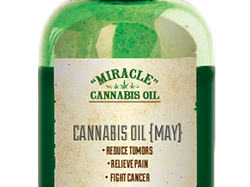
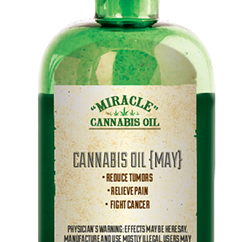
Curing cancer with Cannabidiol?
- CANNABIS OIL, NEWS
- April 24, 2013

A small Australian pilot trial has reported preliminary results for a 1:1 THC:CBD cannabis oil in adults with fibromyalgia, published in Pain Research and Management. Twenty-four adults were randomised to the oil or placebo for 16 weeks; 22 completed the study. The trial’s main aims were feasibility and safety, and adverse events were mostly mild,
READ MORE
A phase 2 randomized trial in Brazil found that an oral CBD-dominant cannabis oil did not reduce chronic pain in people with Parkinson’s disease more than placebo, according to a NeurologyLive report on the study, published in Movement Disorders. Of 101 adults randomized, 87 completed the nine-week trial, which stopped early after a planned futility
READ MORE
A survey of 237 adults receiving radiation therapy at an urban and a rural oncology practice in Kentucky found that many had used unprescribed medicinal cannabis for symptom management, according to a study in The Oncologist. In all, 121 participants (51%) reported lifetime use, and 35 (14.7%) reported recent use after their cancer diagnosis. Users
READ MORE
Montana dispensaries are now operating under new state rules governing marijuana packaging, inventory tracking, and product recalls, according to a report from The Marijuana Herald, which cited Montana Department of Revenue rules. Labeling and seed-to-sale tracking requirements took effect August 22, 2026, while a separate recall rule became active July 11. Under the labeling rules,
READ MORE
A randomized, placebo-controlled crossover trial of 25 patients with severe dementia across five Geneva long-term care facilities found that THC/CBD oil, dosed up to 20 mg THC and 40 mg CBD daily, significantly reduced as-needed psychotropic medication use compared with placebo, The Marijuana Herald reports. The trial, published in Age and Ageing, found no significant
READ MORE
A phase 2 clinical trial has found that a THC/CBD combination significantly reduced agitation in hospice-eligible people with dementia, with benefits appearing within two weeks and lasting through 12 weeks. The study, known as LiBBY, enrolled 120 participants and met both its primary and key secondary endpoints, according to results reported at the Alzheimer’s Association
READ MORE