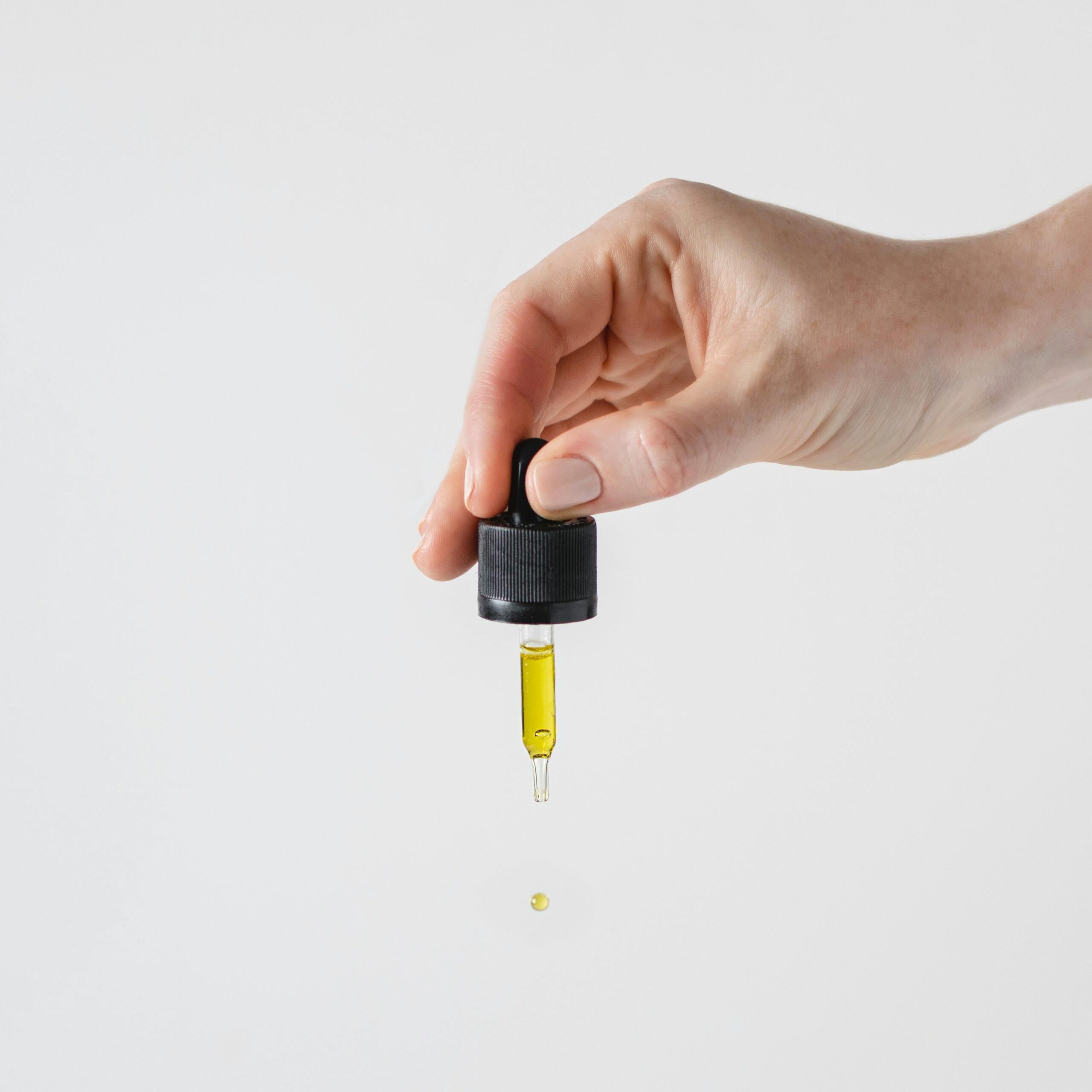
A new preclinical study suggests full-spectrum cannabis oil could help reverse key markers of fatty liver disease, at least in an animal model. Researchers examined metabolic dysfunction-associated steatotic liver disease (MASLD) in female Wistar rats fed a sucrose-rich diet, then treated them with an oral cannabis oil containing cannabidiol (CBD) and THC in a 2:1
A new preclinical study suggests full-spectrum cannabis oil could help reverse key markers of fatty liver disease, at least in an animal model. Researchers examined metabolic dysfunction-associated steatotic liver disease (MASLD) in female Wistar rats fed a sucrose-rich diet, then treated them with an oral cannabis oil containing cannabidiol (CBD) and THC in a 2:1 ratio.
Rats on the sugary diet developed liver fat accumulation, oxidative stress, disrupted lipid metabolism and early signs of fibrosis, alongside overactivation of the endocannabinoid system. Those given cannabis oil showed reduced liver fat and disease severity scores, improved fat processing, and lower oxidative stress, with boosts to protective NrF2 pathways and suppression of inflammatory NF-κB signaling.
The study, reported by The Marijuana Herald and published in Frontiers in Nutrition, highlights the need for more female-focused research and supports further investigation of cannabinoid-based therapies for MASLD. Read the original report here.