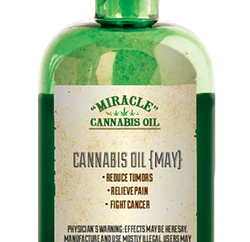
Medical cannabis is gaining traction for treating a diverse range of health conditions, bolstered by loosening regulations and evolving medical research. As of August 2025, the Drug Enforcement Administration (DEA) is moving toward reclassifying marijuana from a Schedule I to a Schedule III drug, although the process remains incomplete. Despite ongoing federal restrictions, cannabis is
Medical cannabis is gaining traction for treating a diverse range of health conditions, bolstered by loosening regulations and evolving medical research. As of August 2025, the Drug Enforcement Administration (DEA) is moving toward reclassifying marijuana from a Schedule I to a Schedule III drug, although the process remains incomplete. Despite ongoing federal restrictions, cannabis is already legal for medical use in 40 states and for recreational use in 25 states, with many others permitting limited CBD use.
Researchers have identified eight conditions where cannabis may provide significant therapeutic relief:
-
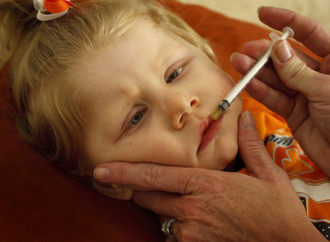
Seizures: CBD shows strong efficacy in controlling seizures, especially in cases resistant to traditional treatment, and the FDA has approved a CBD-based medication for epilepsy.
-
Eating Disorders: Cannabis may aid in weight gain and reduce stress for people with disorders like anorexia, though it requires caution due to overlap with substance use disorders.
-
Psoriasis and Eczema: Cannabis and CBD-infused products can help reduce inflammation, itching, and pain, and may aid in healing and stress management.
-
Arthritis: Both THC and CBD formulations are reported to reduce pain, inflammation, and anxiety, with some studies suggesting they could slow disease progression.
-
Muscle Spasticity: Conditions like multiple sclerosis benefit as THC relaxes muscles and relieves spasms and associated pain.
-
Alzheimer’s Disease: Some studies suggest CBD can ease agitation and anxiety in patients, improving quality of life.
-
Crohn’s Disease: As an anti-inflammatory, cannabis can reduce abdominal pain, improve appetite, and promote sleep.
-
PTSD: Cannabis has shown promise in improving sleep, reducing nightmares, and easing severe anxiety for those with post-traumatic stress disorder.
While cannabis offers hope for many conditions, it is essential to consult healthcare professionals before use, as side effects and legal barriers persist. Ongoing research will clarify its full medical potential. For more, see the original coverage at Yahoo News.