CBD oil has surged in popularity for its potential health benefits, from easing anxiety to managing chronic pain. Yet its legal status remains far from straightforward. In the United States, hemp-derived CBD containing less than 0.3% THC is federally legal under the 2018 Farm Bill, but individual states impose varying rules—some welcoming CBD products, others
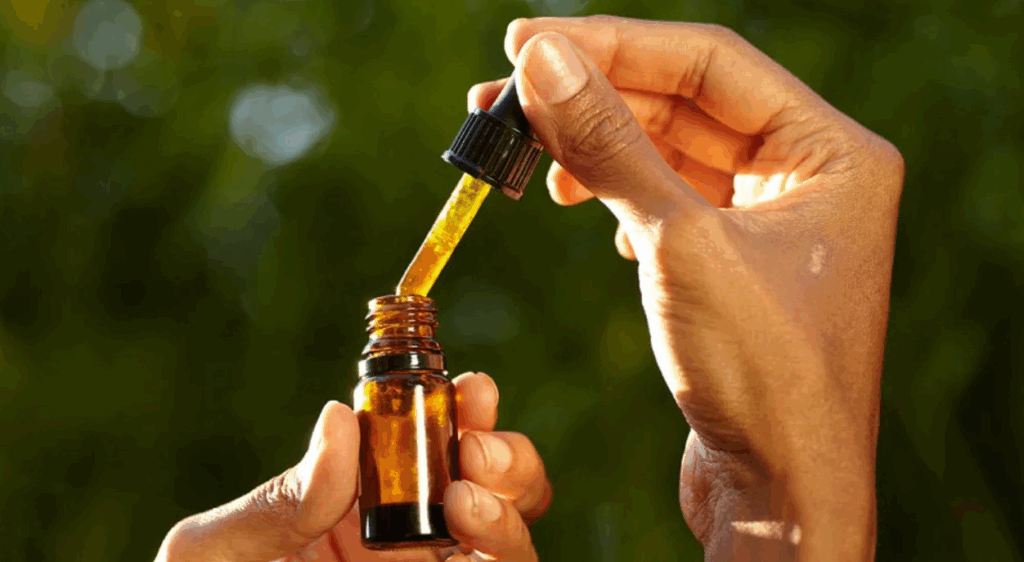
CBD oil has surged in popularity for its potential health benefits, from easing anxiety to managing chronic pain. Yet its legal status remains far from straightforward. In the United States, hemp-derived CBD containing less than 0.3% THC is federally legal under the 2018 Farm Bill, but individual states impose varying rules—some welcoming CBD products, others restricting their sale or medical use. Globally, regulations are equally diverse: Canada regulates CBD under its Cannabis Act, the UK permits low-THC oils, while countries like Slovakia and Indonesia impose strict bans.
Consumers are urged to research laws carefully, especially when traveling, since possession in certain countries could lead to penalties. As demand grows, lawmakers worldwide continue to refine CBD legislation, aiming to balance safety, regulation, and accessibility.
For a detailed look at CBD oil’s evolving legality, see the full article at Muddy River News.